An action priority matrix offers a structured method to prioritise tasks by evaluating their impact and effort, enabling managers to organise workloads more efficiently and effectively when balancing multiple priorities
CREDIT: This is an edited version of an article that originally appeared onIndeed
When faced with multiple tasks at once, it’s easy to feel overwhelmed, leading to stress about prioritising, delegating and efficiently completing them. Constantly switching between tasks can cause loss of focus, mistakes and inefficiencies, particularly when balancing several high priority projects. An action priority matrix can streamline your task management by helping you organise and prioritise effectively.
In this article, we look at how to use the action priority matrix and its benefits.
Why Use an Action Priority Matrix?
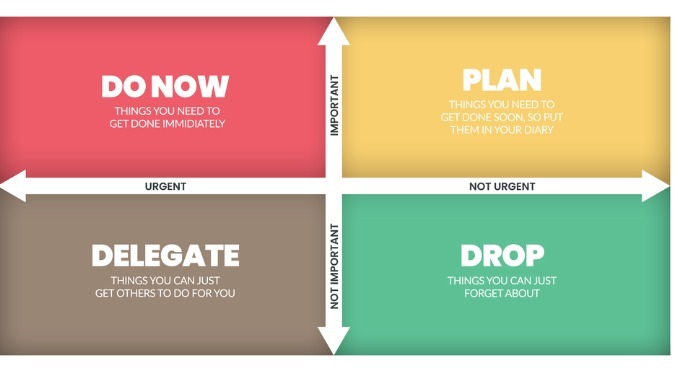
This tool helps you organise your tasks, assess their importance, gain valuable perspective and use this information to enhance your productivity. It helps you identify which tasks to tackle immediately, which to delegate and which to schedule for later, leading to more efficient and strategic task management. The matrix consists of four quadrants, each with distinct labels that categorise tasks based on their features. Plotting tasks on the action priority matrix allows you to organise them by importance and urgency, streamlining your workflow and decision-making process.
How Does it Work?
A priority matrix consists of four quadrants arranged in a grid with impact and effort as the axes. The grid is two squares high and two squares wide. The top two quadrants represent high impact tasks, while the bottom two represent low impact tasks. The left quadrants denote low effort, and the right quadrants indicate high effort.
Top Left
The top left quadrant is designated for high impact, low effort tasks. These are tasks you can complete quickly to make significant improvements to your project.
Top Right
The top left quadrant is designated for high impact, low effort tasks. These are tasks you can complete quickly to make significant improvements to your project’s status efficiently.
Bottom Left
The bottom left quadrant is for low impact, low effort tasks. These are tasks that are typically minor and can be completed quickly with minimal effort.
Bottom Right
The bottom right quadrant is for low impact, high effort tasks. These tasks are challenging or time-consuming to complete but will not significantly impact the status of your project.
To create your priority matrix, follow these steps: First, make a list of tasks. Next, rank each task by its impact and then by the effort required. Plot these tasks on the matrix accordingly. As your project evolves and new tasks arise, regularly update your matrix. Review your priorities as tasks are completed, including those you delegate.
By utilising an action priority matrix, you can effectively manage and prioritise tasks, reducing overwhelm and increasing productivity. This systematic approach not only helps you focus on what matters most but also adapts to evolving project needs and changing priorities. Regularly updating your matrix ensures that your task management remains efficient and aligned with your project’s goals, ultimately leading to more organised and strategic progress.

Be the first to comment